
Platform Legitimacy Case Study
TerraWatt.
Building a vertically integrated data center solution that looked institutional from day one and held its standard as the platform expanded into long-term operating partnerships.
Book a Discovery Call- Sector
- Data center infrastructure
- Engagement
- Platform Legitimacy System
- Duration
- Six months, extended to twelve
- Role
- Sole embedded partner
The Situation
The thesis was real. The company was not yet visible.
TerraWatt was a newly formed platform created by experienced operators with a strong thesis. The business case was sophisticated. The leadership had the right credentials, the right network, and the right strategic clarity to compete in one of the most demanding infrastructure categories in the market.
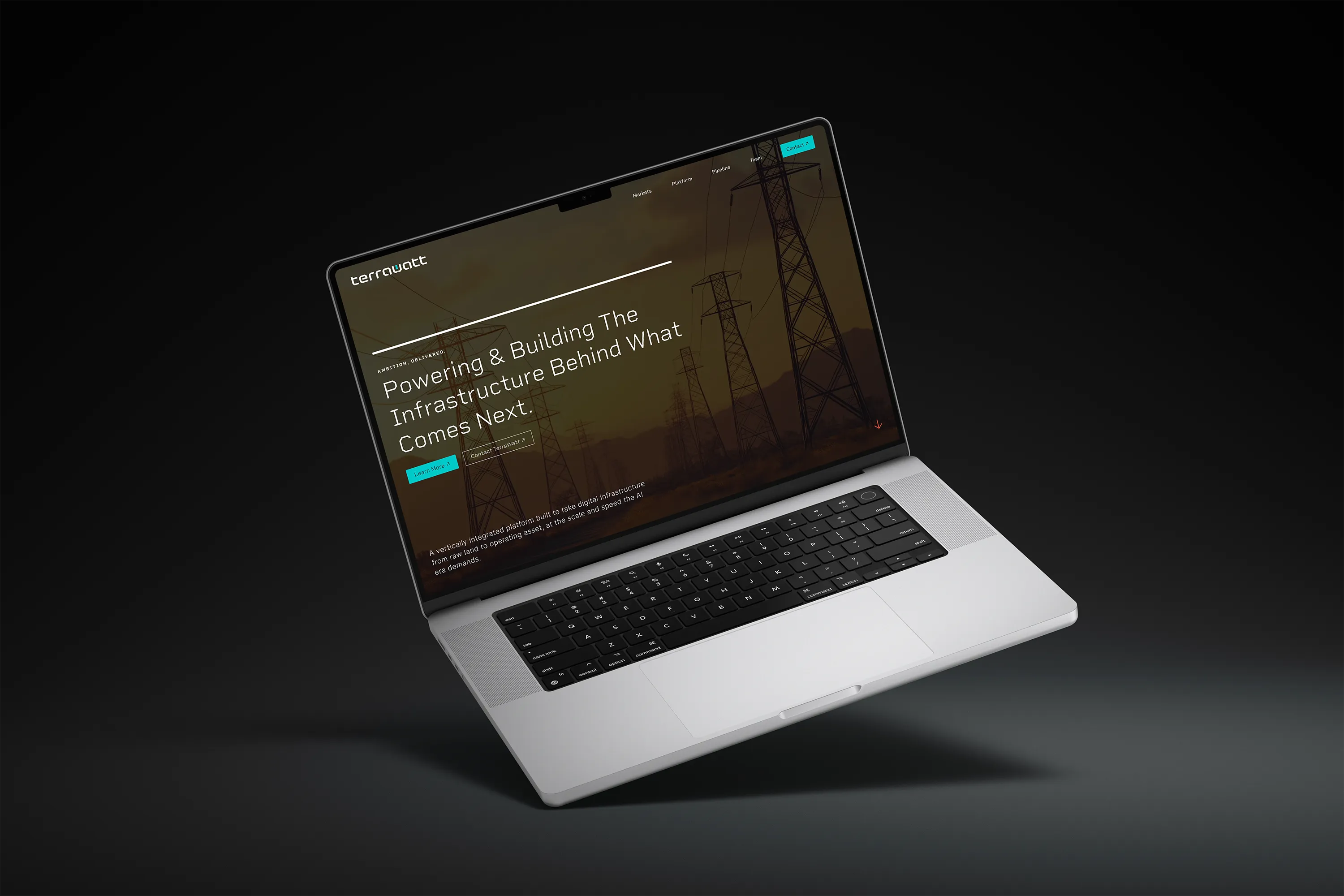
What the platform did not yet have was a market-facing presence. There was no website. No deck. No coherent narrative the team could share with investors, partners, or potential customers. No visible signal that the company existed at the level its thesis demanded.
The first conversations were already on the calendar. The materials would not be ready unless something changed quickly. And the team did not want to manage five separate vendors to get there.
What We Built
One partner. One system. Five integrated parts.
We built the platform's outward-facing presence as a single coordinated system, then stayed embedded as the company grew.
01. Platform Narrative
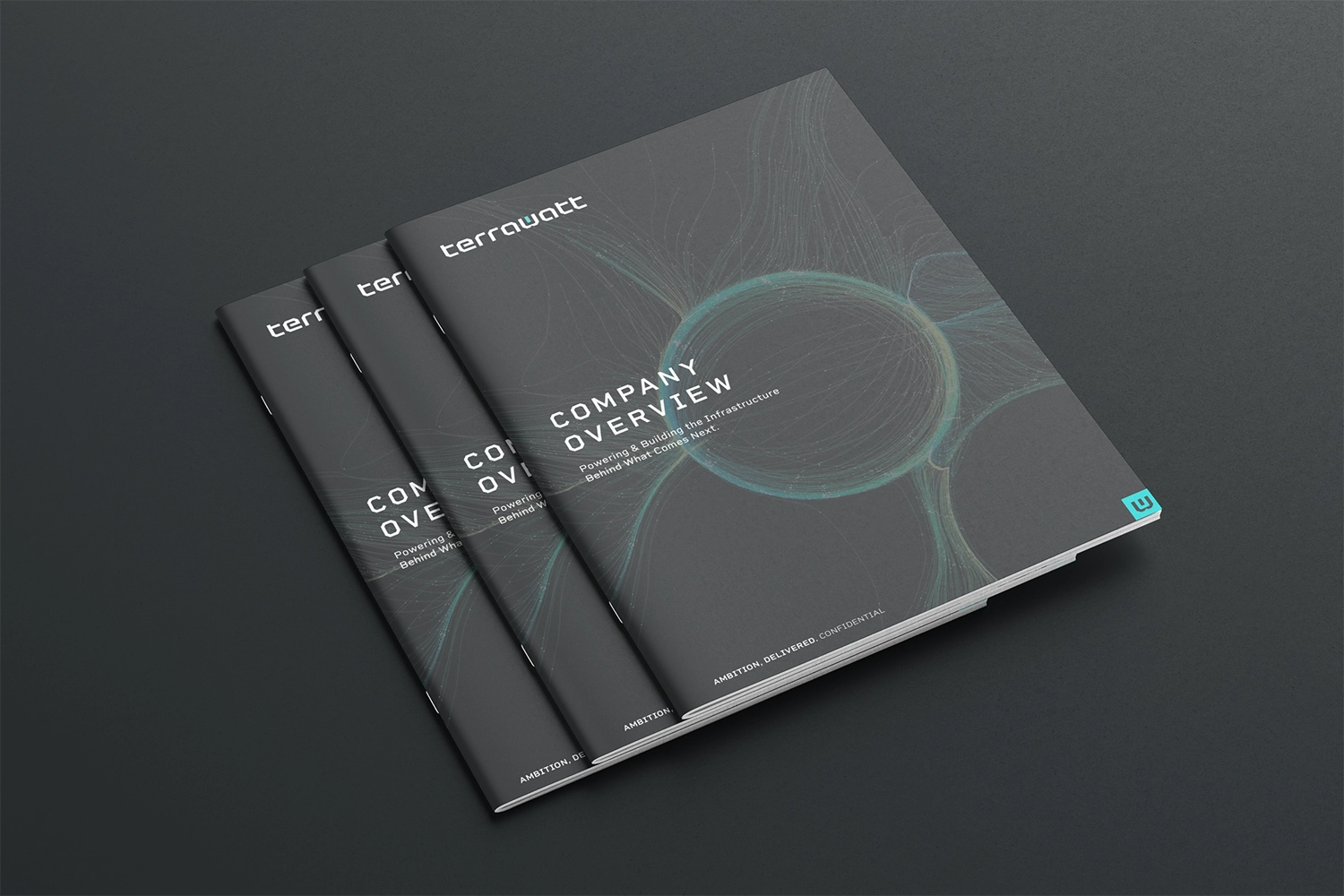
We worked with leadership to define what the platform was, who it served, why it mattered, and why it would win. The narrative anchored every other piece of the work and gave the team a consistent story to share with investors, partners, lenders, and potential hires.
02. Identity System
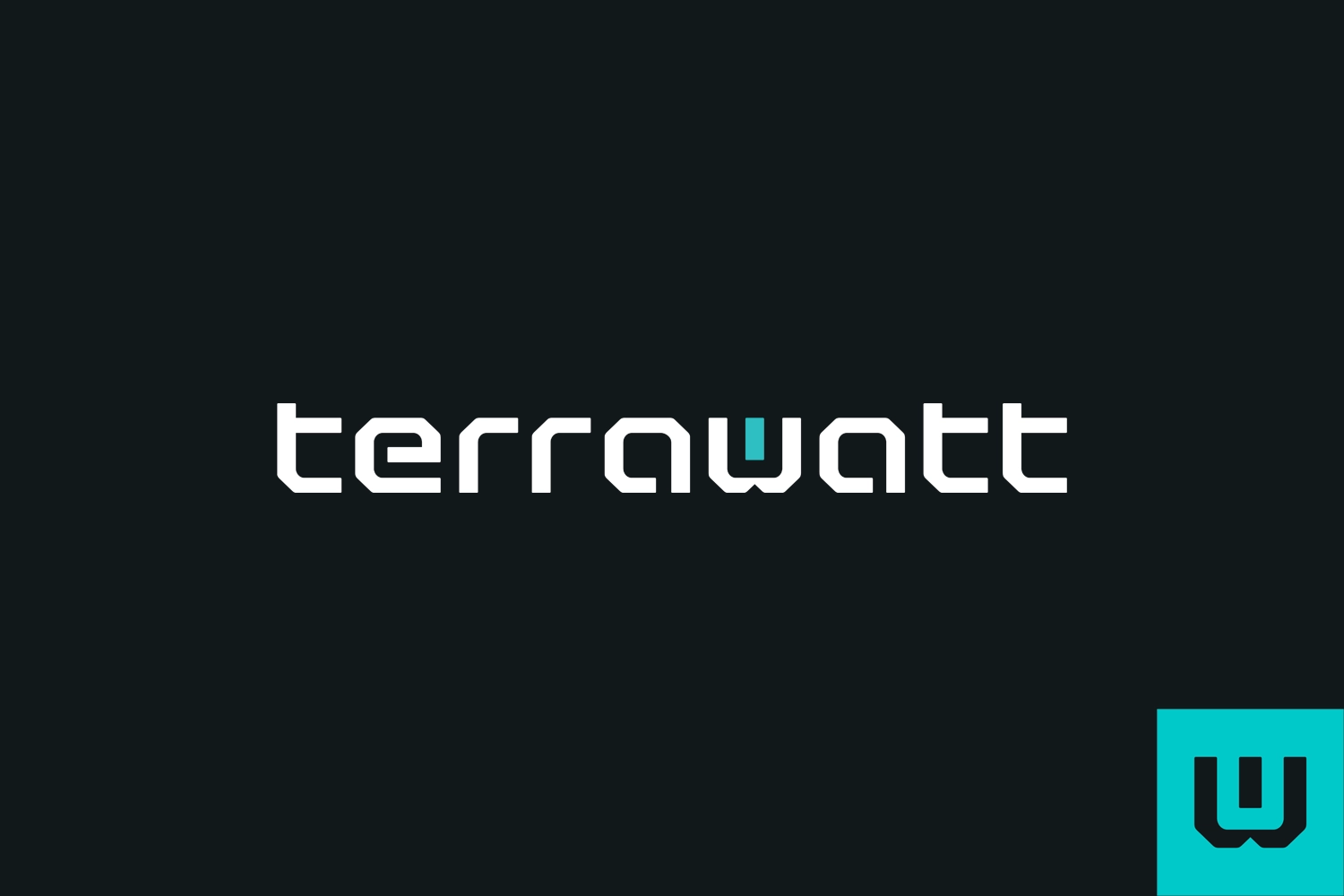
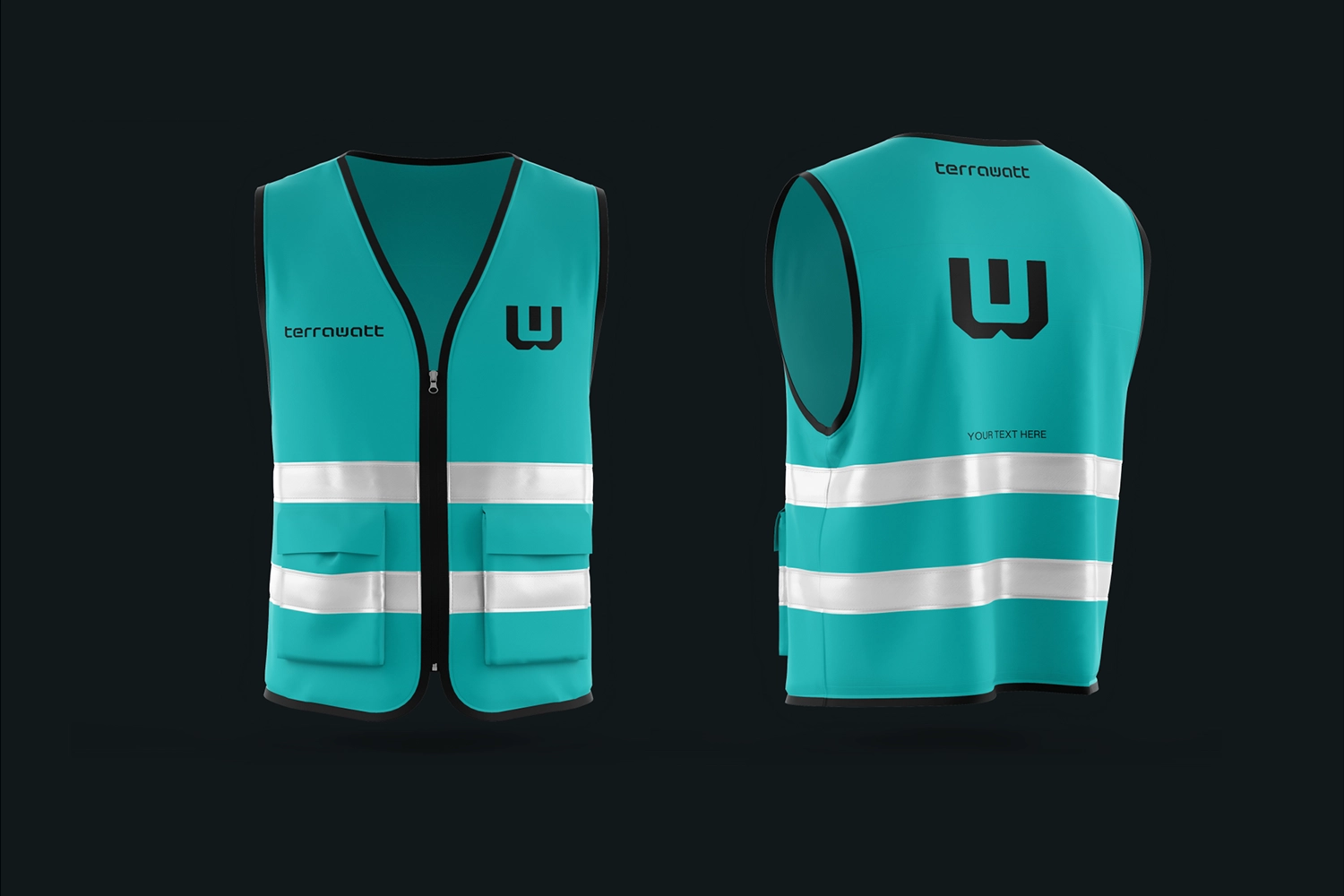
We built a brand identity calibrated for institutional credibility from day one. Logo, typography, color, and layout standards designed to feel durable and serious in any environment, from an investor deck to a regulatory filing to a partner email.
03. Website and Digital Presence
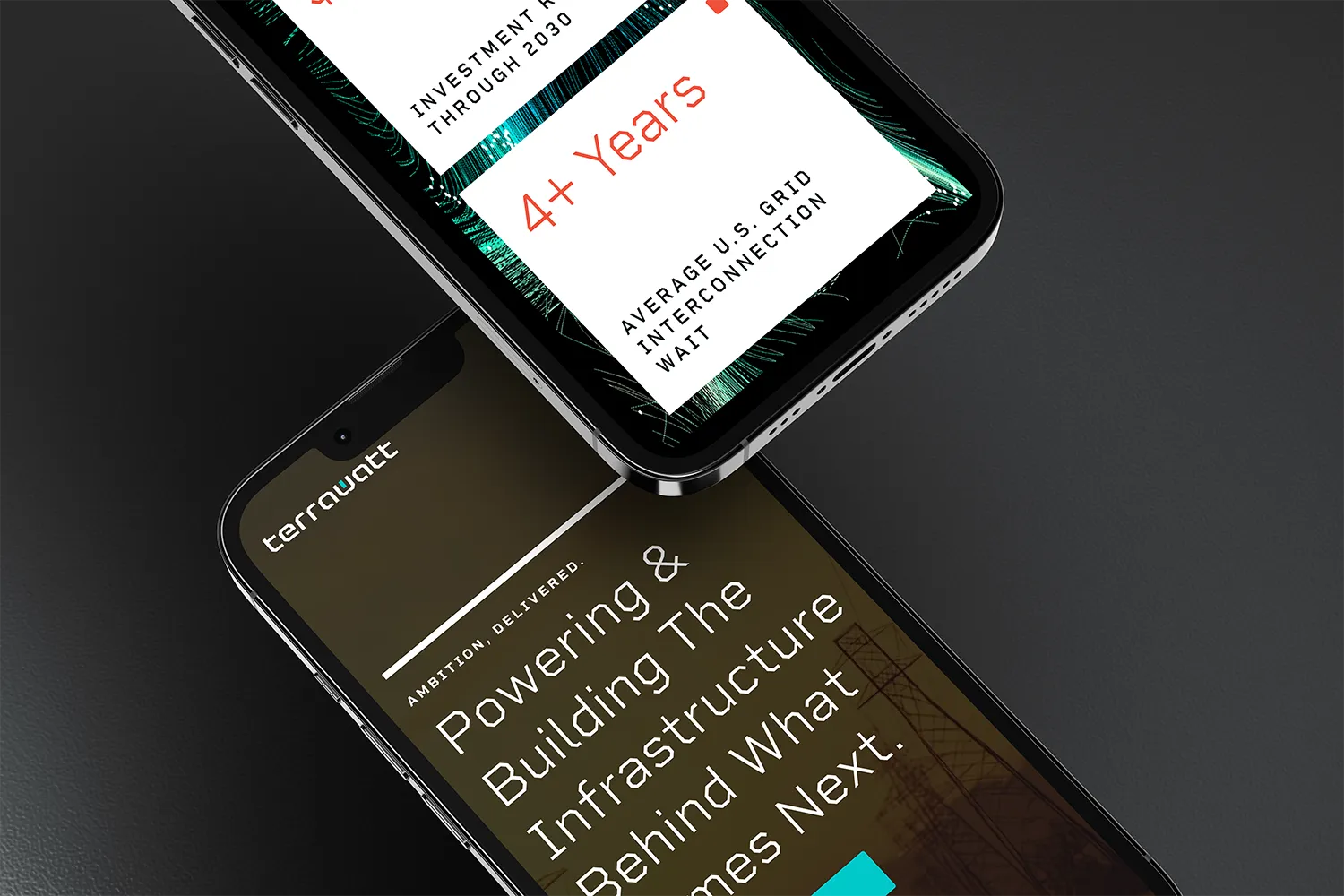
The website was the platform's first impression for most readers. We designed and built a launch site organized around the audiences that mattered most: investors, potential partners, and the operating team's networks. Business email and signature systems were set up server-side so every outbound communication carried the same standard.

04. Decks and Documents
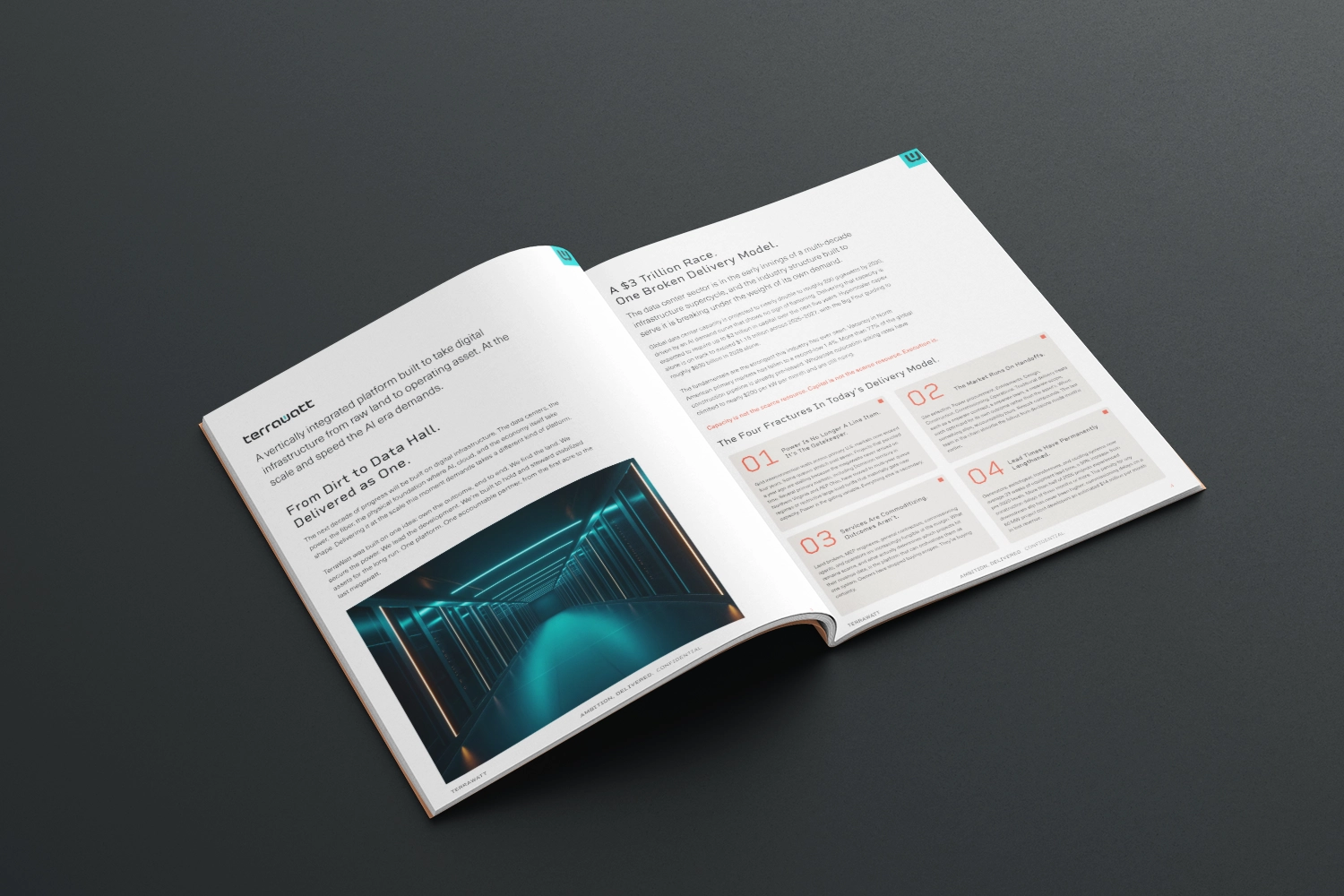
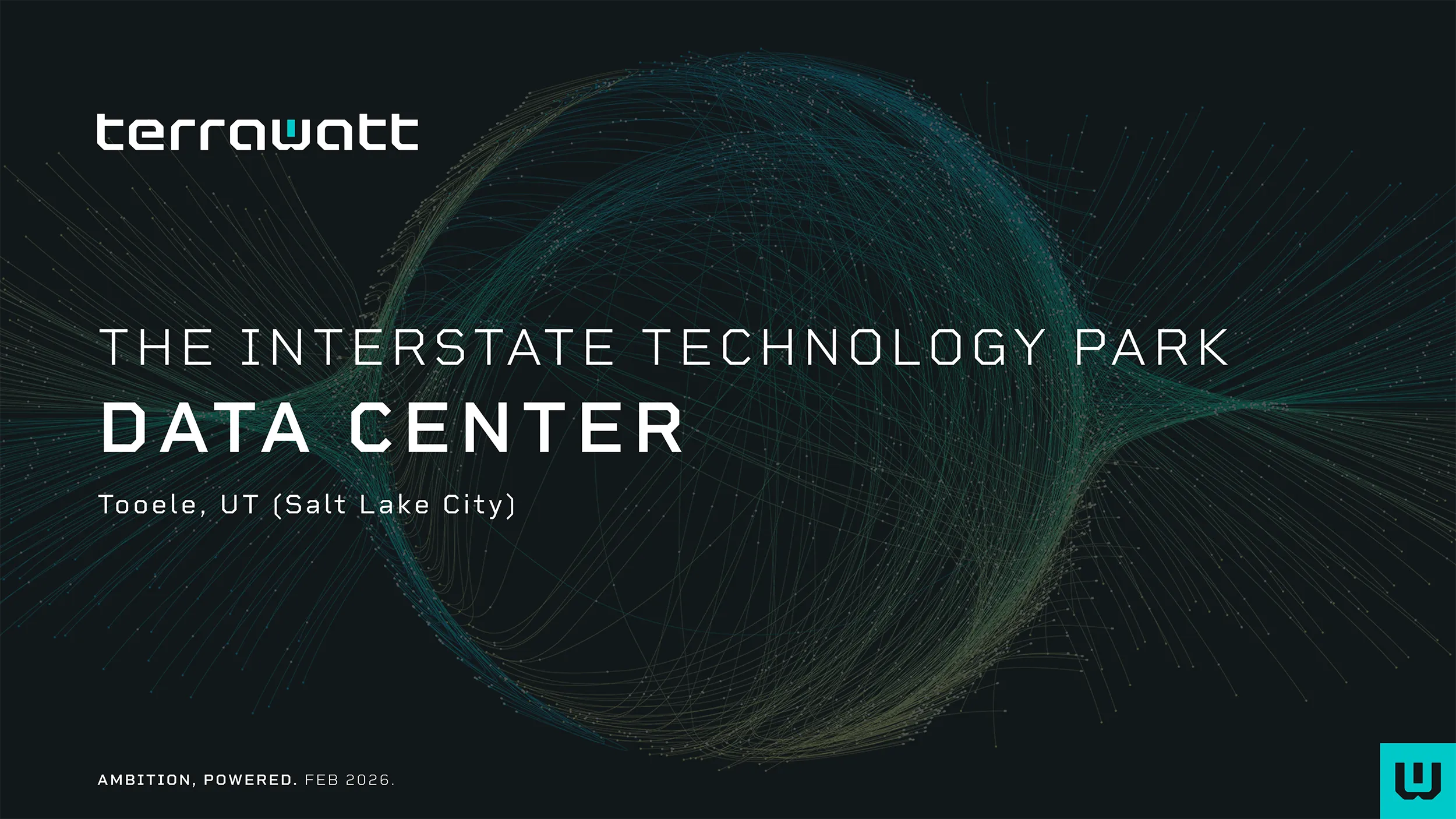
Investor decks, partner presentations, branded documents, and data room structure all built from the same design language. The team could open a new conversation, customer meeting, or capital introduction and reach for materials that already looked like they came from one company. Because they did.
05. Ongoing Support
The initial buildout was the start, not the deliverable. As the business evolved, new conversations, new partnerships, and new outward-facing needs kept emerging. We stayed embedded to keep every new piece aligned with the system already in place.
How the Work Compounded
The platform evolved. The system held.
The original engagement was scoped at six months. By the time the core systems were in place, new outward-facing needs were already emerging: a new partner deck, an updated investor narrative, a custom one-pager for a specific audience, a new branded document for an evolving conversation.
Because we already knew the company, the story, and the standards, each new ask got faster instead of slower. The system held. New materials slotted into the existing language without forcing leadership to restart context every time.
Then the business itself evolved. As partners came to the table, they began asking whether TerraWatt could not only develop the assets but operate them too. The platform expanded into a vertically integrated data center solution, building long-term operating partnerships alongside its development work. That meant new audiences, new conversations, and new outward-facing needs that had not existed at the start of the engagement.
The brand, the narrative, and the system absorbed the shift without breaking. Decks evolved to articulate the new positioning. Documents were updated to reflect the operating dimension. The website's story sharpened around the integrated solution. None of it required starting over. That is the embedded partner model in practice.
The visual system deepened alongside the business. At launch we used carefully selected stock imagery so the platform could move quickly. As the company matured, we replaced it with a fully custom visual language: a proprietary set of data and infrastructure graphics built specifically for TerraWatt and integrated across the brand. The platform moved from borrowed imagery to a visual identity that belonged only to it. The system did not just hold as the company evolved. It became more distinctly its own. The engagement extended to twelve months and continues today.


Outcomes
The company started looking the way it actually operated.
-
Faster execution.
Decks, documents, and materials for upcoming meetings could be produced quickly because the system, the language, and the standards were already in place. The team stopped reinventing presentation choices for each new conversation.
-
Coordinated presence.
Every outward-facing touchpoint, web, deck, document, email, signature, and data room, told the same story with the same level of polish. The platform looked like a single coordinated company because the work was built that way from day one.
-
A system that absorbed evolution.
When TerraWatt expanded from development into a vertically integrated data center solution with long-term operating partnerships, the brand and narrative system absorbed the shift without breaking. New conversations and new audiences slotted into the existing framework rather than forcing a rebuild.
-
Continued partnership.
The engagement extended past its original scope because the business kept evolving and the value of an embedded partner kept compounding. We continue to support the platform today.
Building something like TerraWatt?
If you are forming a platform that needs to look serious from day one, that is the work I do. A 30-minute Discovery Call gives you a clear read on whether an Audit, a Sprint, or the full System is the right fit.